Tel Shaddud

Small Site, Big Stories

Unveiling the ancient heartland of the Jezreel Valley — tracing Egyptian imperial rule, the formation of early monarchic Israel, and millennia of human settlement through meticulous archaeological excavation.

Dates July 12 – Aug 7, 2026

Questions? Email us at telshaddud@tauex.tau.ac.il

Layers of Occupation

British Mandate 1920–1948 CE
A military trench system was constructed around the mound to serve British forces and later the Israeli army. Kibbutz Sarid, established nearby, occupied the trench through at least until 1951.
Mamluk 13th–16th c. CE
Two structures were built on the mound’s summit, with burials—likely Mamluk-era—in the northern slope.
Crusader 11th–13th c. CE
N/A
Roman 1st c. BCE–4th c. CE
Remains include both monumental construction (well-dressed stone building on the northern slope) and domestic structures with courtyards (southern area). An oil lamp filled with 7 coins was found buried in one building, suggesting deliberate ritual placement.
Hellenistic 4th–1st c. BCE
N/A
Persian 6th–4th c. BCE
N/A
Iron Age 12th–6th c. BCE
In the Late Iron Age IIA (late 10th-9th centuries BCE), a major public-monumental building was constructed on the northern slope, aligned toward a critical road intersection. The structure’s destruction layer shows evidence of intense burning, indicating violent destruction—likely from the campaigns of Hazael of Damascus. Pottery from the destruction layer includes storage jars typical of the royal economy of early monarchic Israel, revealing Tel Shaddud’s integration into the administrative system of the Kingdom of Israel. During the Iron Age IIC (7th century BCE), resettlement resumed under Assyrian rule. Building remains suggest the fortress was reoccupied—possibly as a strategic military installation overlooking the main road network. The site remained visible from the Assyrian administrative center at Megiddo.
Late Bronze Age 16th–12th c. BCE
Notable Find: A single burial in an Egyptian-style anthropoid coffin (Late Bronze Age III, 12th century BCE) reveals that the local elite had contact with Egyptian colonial administration based at nearby Beth-Shean, suggesting possible ties to the Egyptian royal economy.
Middle Bronze Age 20th–16th c. BCE
An important extramural cemetery developed at the site’s base, showing remarkable continuity in burial practices from Middle Bronze Age through Late Iron Age IIA (14th-9th centuries BCE)—unique in the Jezreel Valley.
Early Bronze Age 3rd millennium BCE
The site was first settled during Early Bronze Age I, with a substantial rural village developing at the foot of the mound alongside the spring of En Shaddud.

Excavating the Heart of the Jezreel Valley

The Tel Shaddud Archaeological Project in the Jezreel Valley continues its mission to delve deep into the Jezreel Valley’s ancient history and reconstruct its social fabric and rural hinterland across the millennia. We also aim to clarify the nature of Egyptian imperial rule of the region and gain groundbreaking insights into the origins and the formation of early monarchic Israel. We are not just digging a site; we are writing a story.

Explore the Excavation
Meet the Team

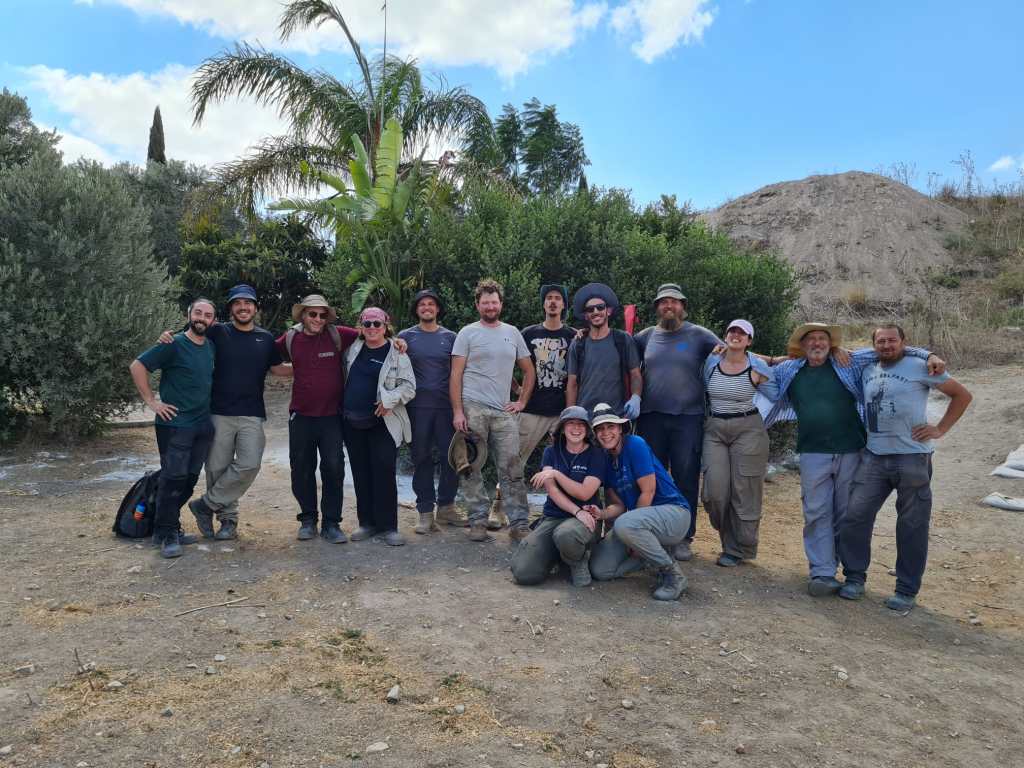
Meet the Team

Get to know the directors, area supervisors, assistant area supervisors, and all those who bring the excavation to life.

The Regional Connection

The Regional Connection

How Tel Shaddud connects to the wider archaeological landscape of the Jezreel Valley.
Academic Publications

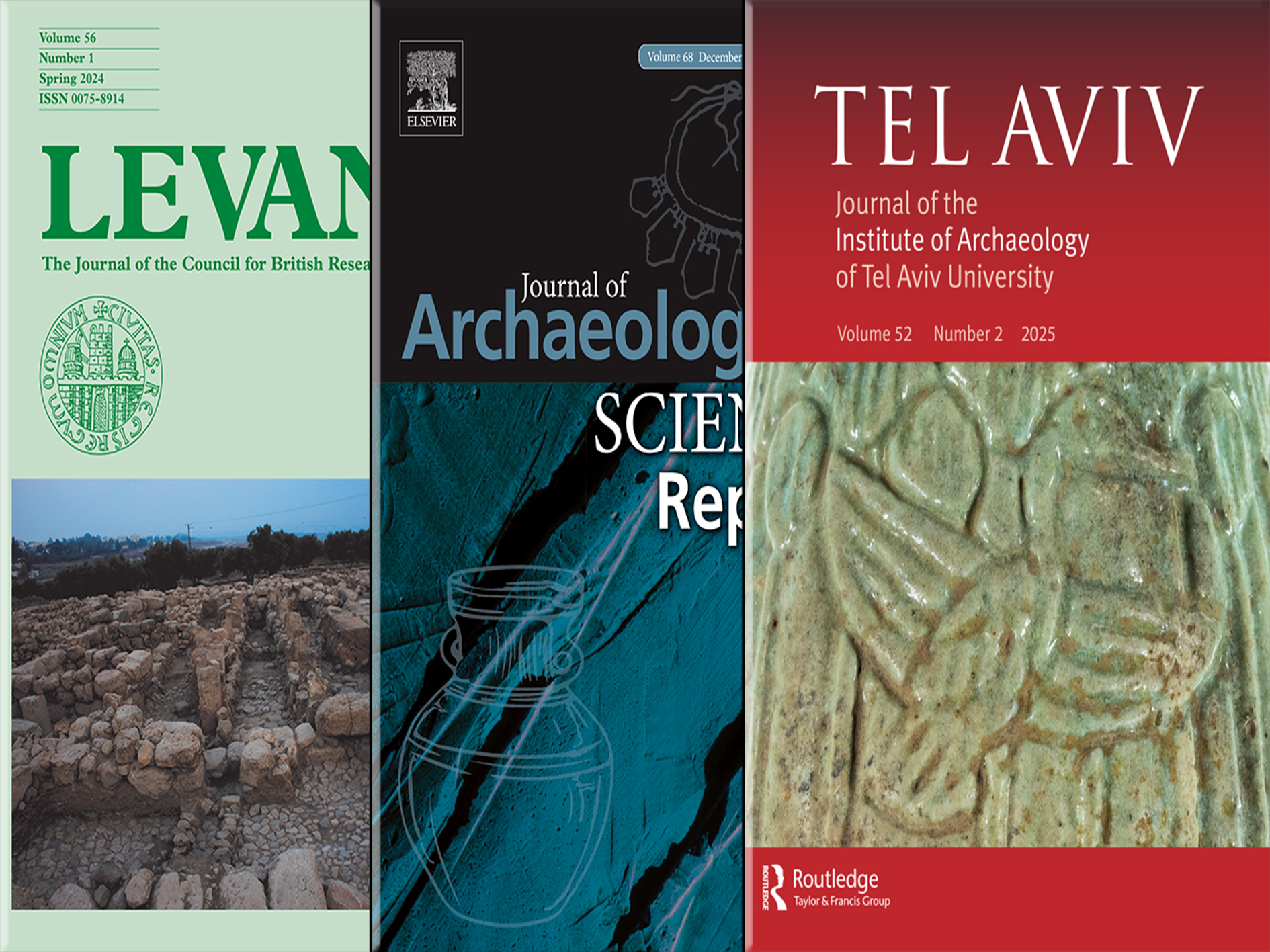
Academic Publications

Peer-reviewed articles from our directors, offering a deeper insight into the significance of our excavations.

Join the Excavation

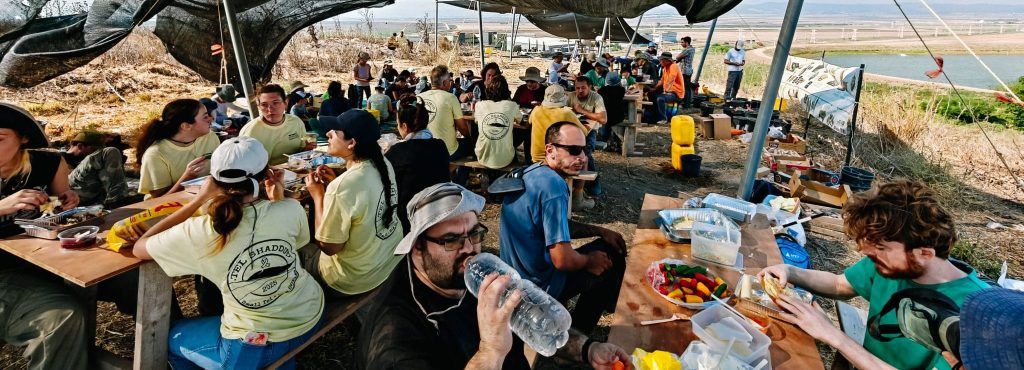
The Tel Shaddud Regional Project warmly welcomes international students, volunteers, and researchers to join our team. Whether you are an undergraduate seeking field experience, a graduate researcher, a local volunteer, or anyone who loves archaeology, our excavation offers hands-on training under the direct supervision of experienced area supervisors and directors.

Participants contribute to active research at one of the most significant Bronze and Iron Age sites in northern Israel, gaining real experience in excavation methodology, stratigraphic recording, artifact documentation, and archaeological analysis.

Scholarships are available for eligible students. Email the team at telshaddud@tauex.tau.ac.il with questions about registration, scheduling, accommodation, or funding.

Season Dates & Details

July 12 –
August 7, 2026

Jezreel Valley, Northern Israel

  • Registration DeadlineJune 1, 2026
  • International RegistrationOpen Now
  • ScholarshipsAvailable
  • Local VolunteersOpen Now

Institutional Partners & Sponsors
Questions & Inquiries

For questions about registration, the excavation schedule, scholarships, academic collaboration, or media inquiries, please reach out to the team directly.

📍
LocationJezreel Valley, Northern Israel
🏛️
Lead InstitutionsTel Aviv University & Israel Antiquities Authority
📱
Social@telshaddud on Facebook & Instagram