
Ḥorvat Tevet: Regional Research
The archaeological excavations at Tel Shaddud are part of a broader regional effort to understand the shifting political and economic landscapes of the Jezreel Valley. Headed by our co-directors Prof. Omer Sergi and Dr. Karen Covello-Paran, the excavations at the nearby site of Ḥorvat Tevet offer a critical comparative perspective. While Tel Shaddud highlights the presence of an Egyptian “royal estate” and its impact on local communities in the Late Bronze Age, Ḥorvat Tevet provides evidence of a later Israelite administrative hub and subsequent Assyrian imperial influence. Together, these sites reveal the long-term history of the valley as a center for royal administration, agricultural production, and intercultural exchange across three millennia.
In The News
“Archaeologists Stunned by Lavish Assyrian-period Tomb in Northern Israel.”
Ariel David, Haaretz, October 24, 2025.
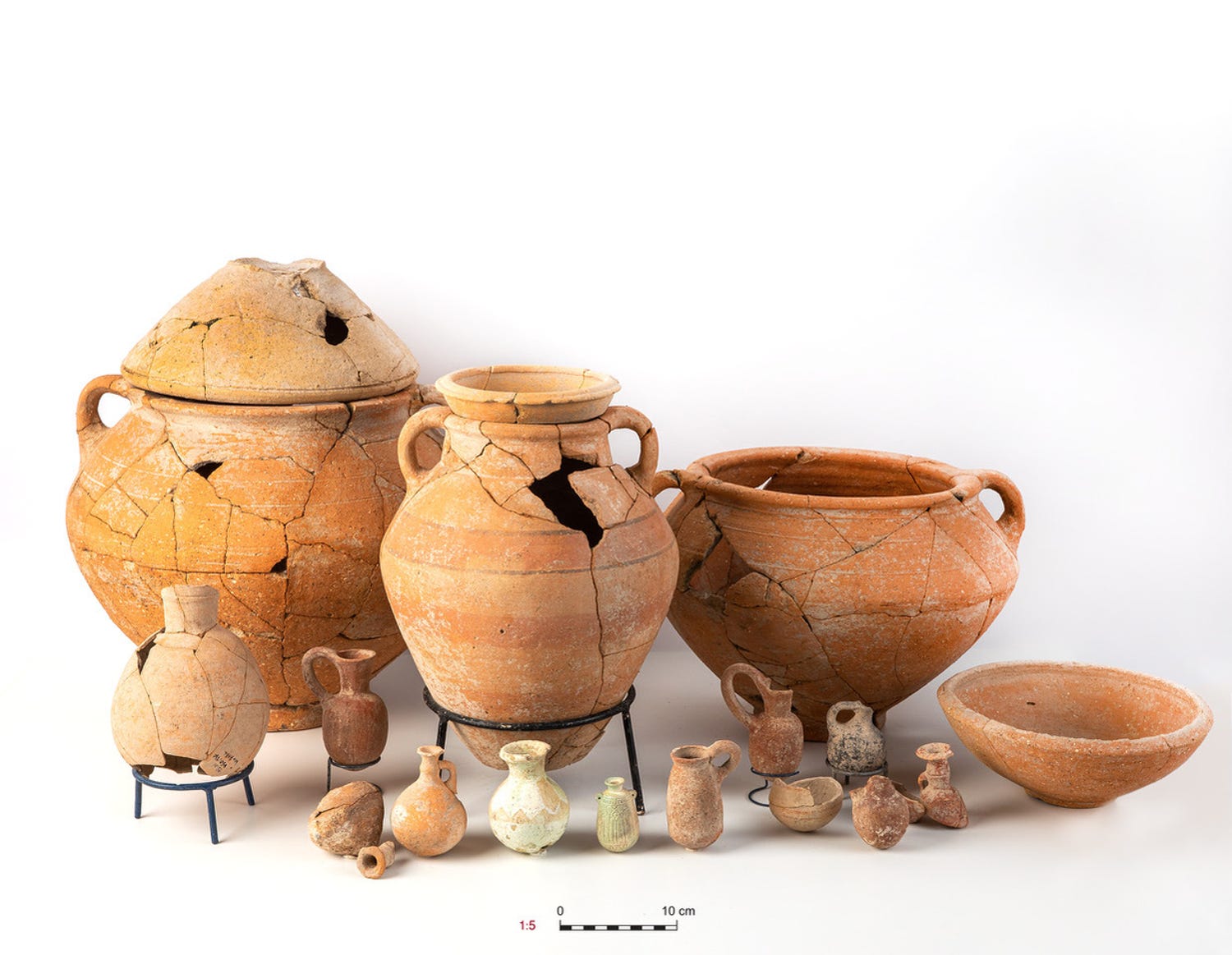
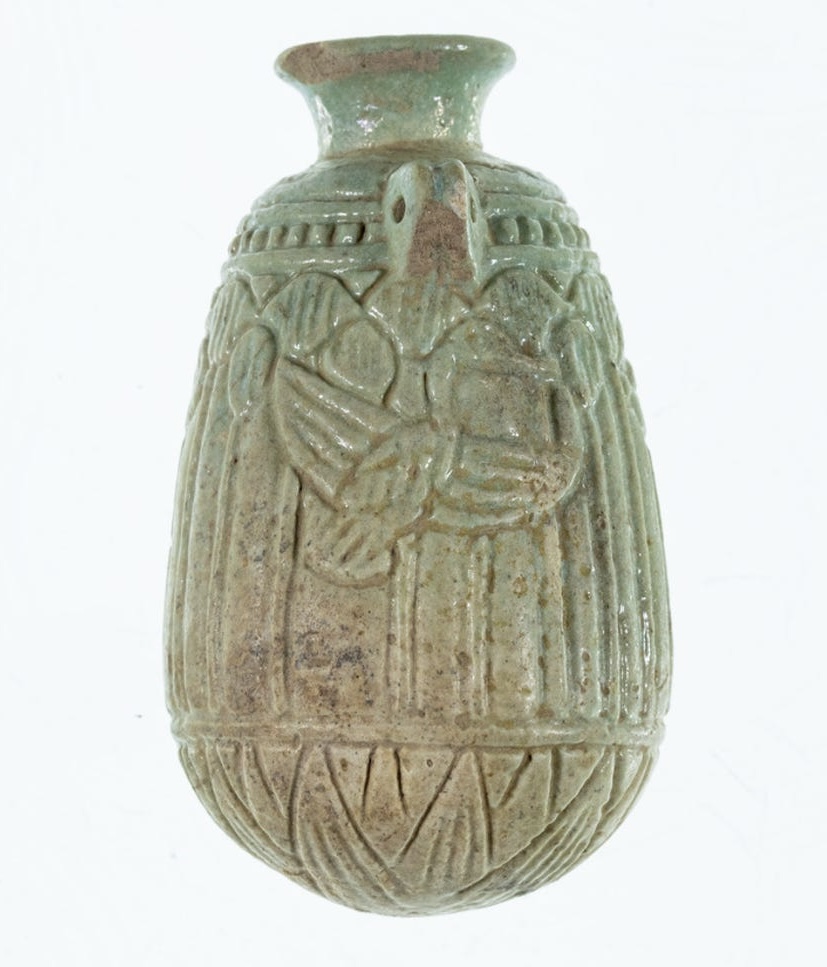
This article details the sensational discovery of a high-status Neo-Assyrian cremation burial at the margins of Ḥorvat Tevet – one of the richest Iron Age assemblages ever found in the Southern Levant. In an interview, project co-director Dr. Omer Sergi explains that the presence of luxury “imperial” goods, such as a glazed Assyrian bottle and a rare cylinder seal, suggests the tomb belonged to a high-ranking official or even a provincial governor. The piece highlights how this discovery, made during a salvage excavation, is reshaping our understanding of the Assyrian occupation of the Jezreel Valley, revealing a level of direct imperial administration and local investment that was previously unknown.
“Archaeologists Find Cemetery Possibly Linked to the Ancient Israelites.”
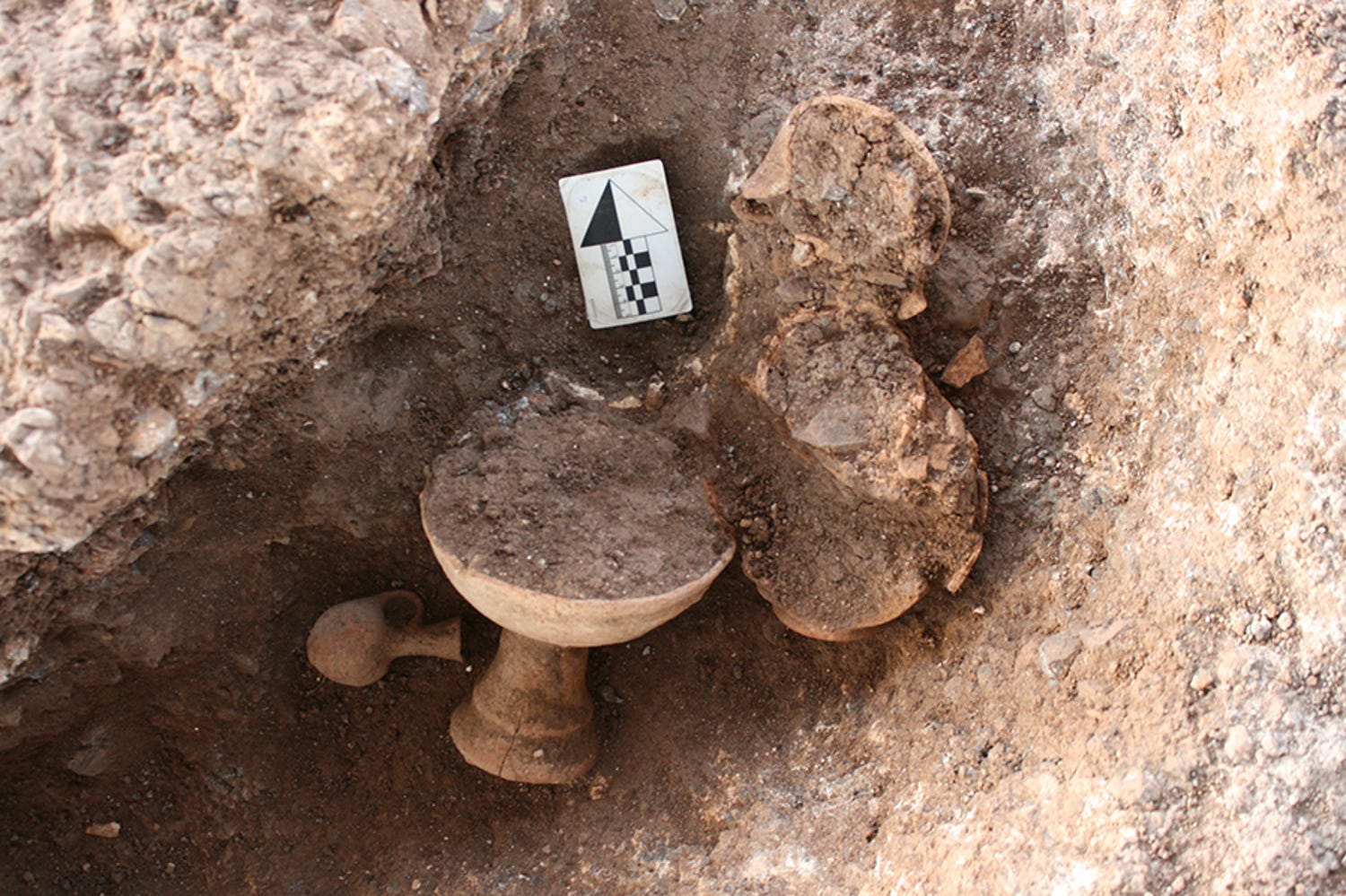
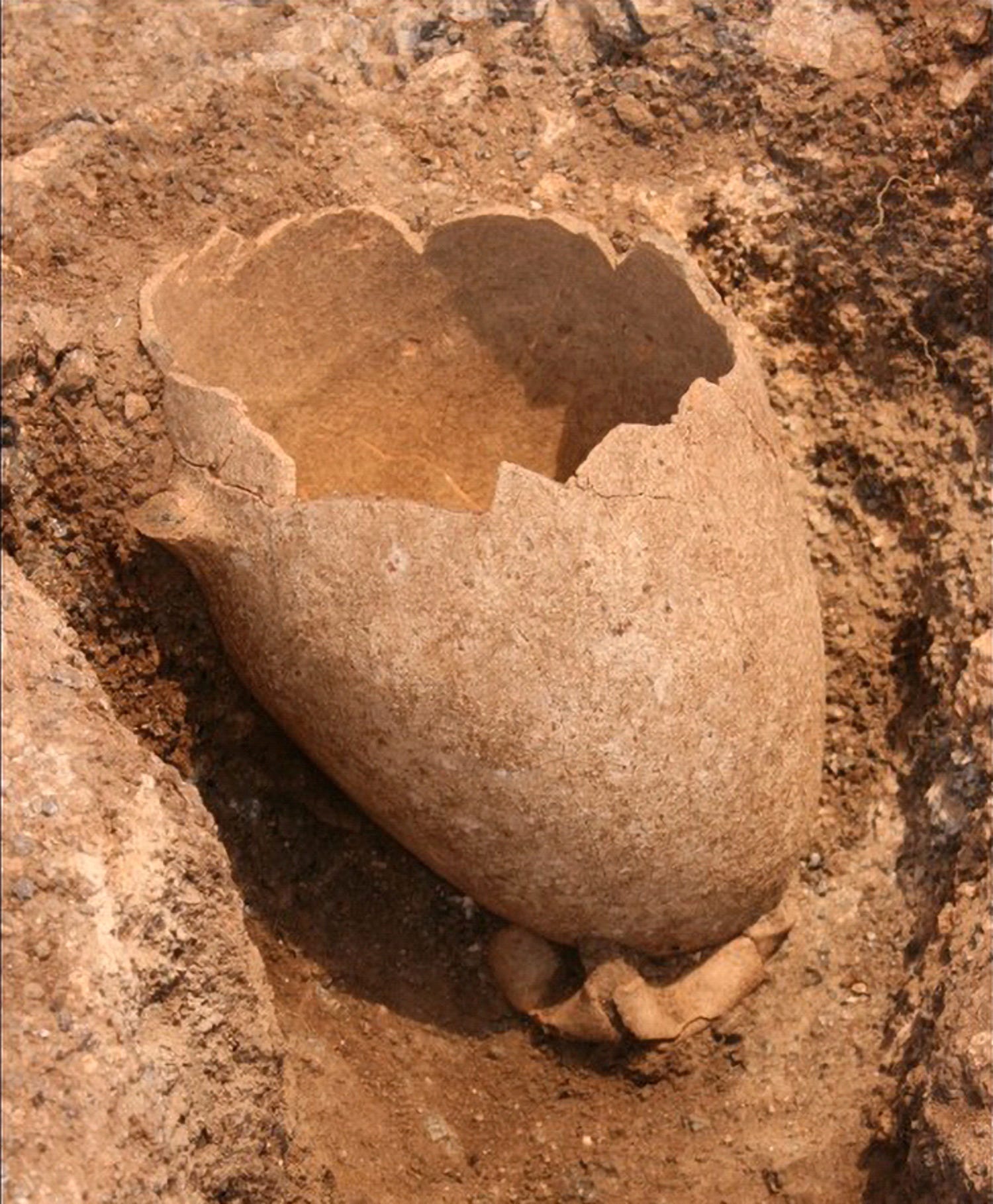
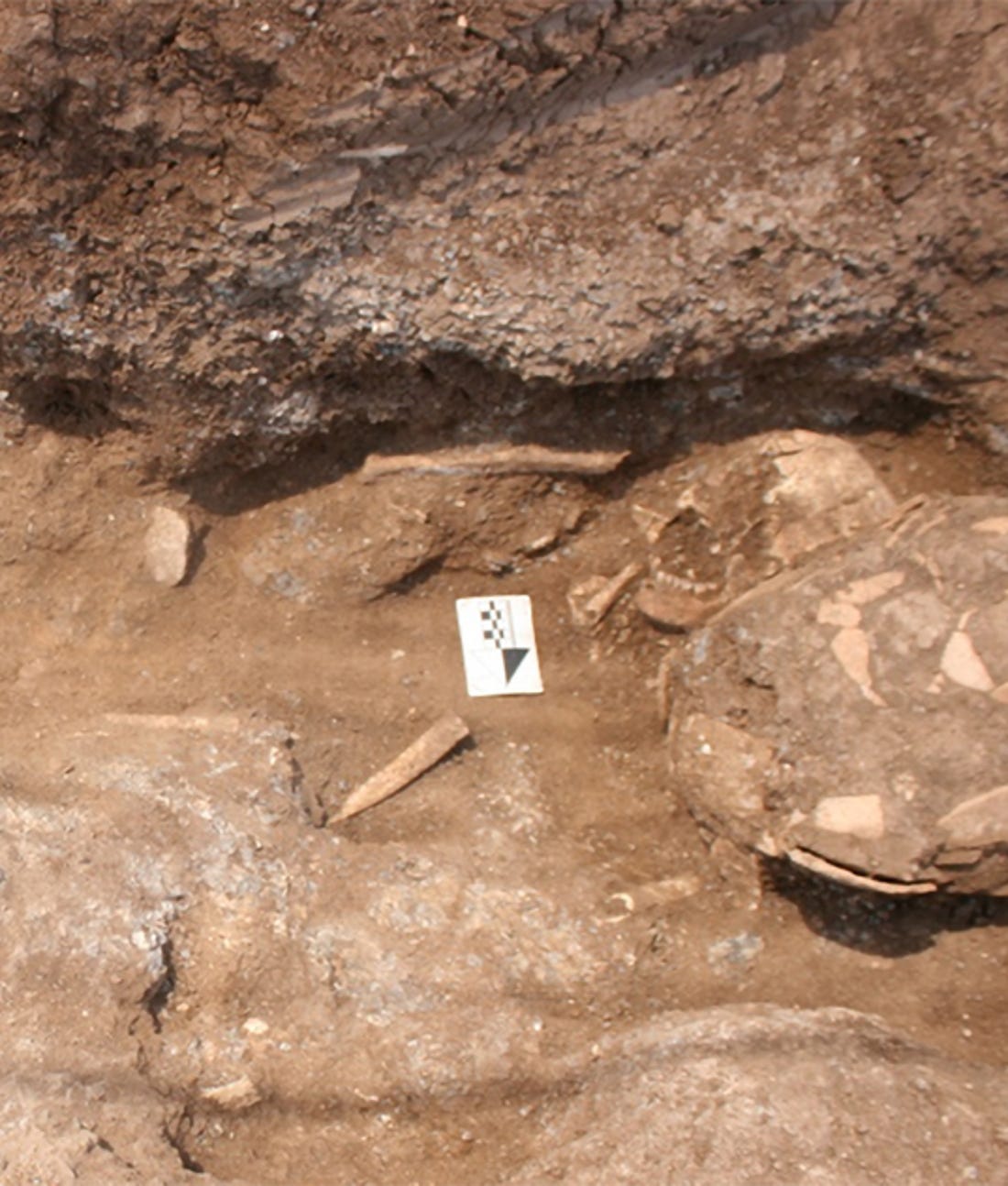
This article explores the discovery of a rural cemetery at Ḥorvat Tevet dating to the 11th and early 10th centuries BCE, a period that marks the transition from the Canaanite city-states to the rise of the Kingdom of Israel. In an interview, project co-director Dr. Omer Sergi explains that the inhabitants were likely poor farmers whose burial practices, including the use of beeswax and fire rituals, offer a rare glimpse into the “birth pangs” of the biblical kingdom.
Published Articles
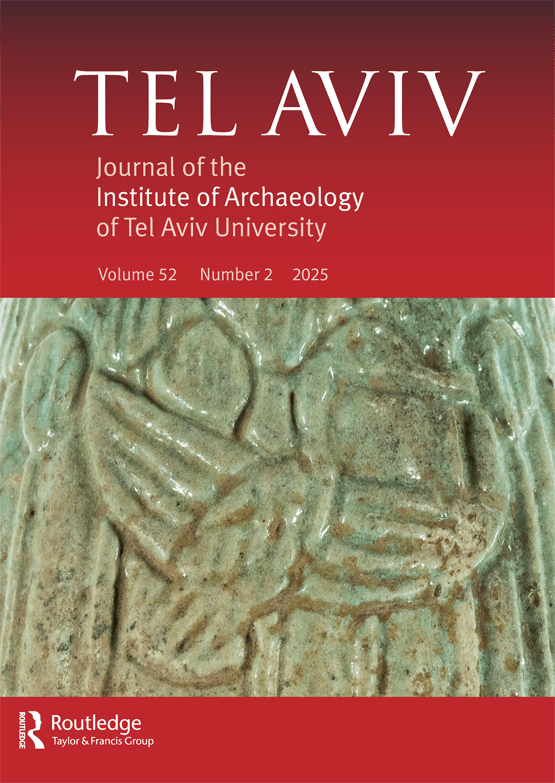
Omer Peleg, Karen Covello-Paran, Hannes Bezzel, Yuval Gadot and Omer Sergi, 2025.
Published in Tel Aviv: Journal of the Institute of Archaeology of Tel Aviv University, Vol. 52.
This article explores a rare 7th-century BCE cremation burial found at Ḥorvat Tevet, which contained high-status Neo-Assyrian luxury goods, including a glazed bottle and an alabastrum. The findings suggest that the site served as a strategic administrative link to the Assyrian provincial capital at Megiddo. By analyzing these “opulent” remains within a rural agricultural context, the authors challenge the idea of Assyrian neglect in the region, illustrating instead a calculated imperial strategy to manage the Jezreel Valley’s fertile hinterland.
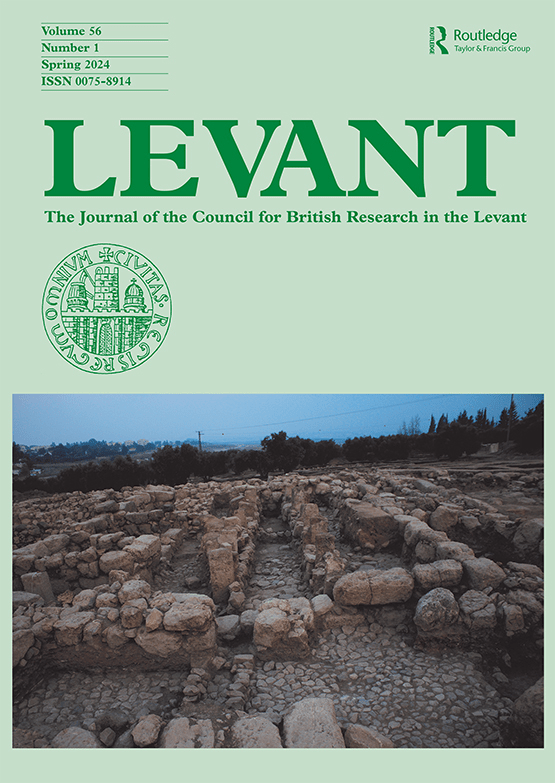
Ḥorvat Tevet, the Jezreel Valley: A Village and an Israelite Royal Estate.
Omer Sergi and Karen Covello-Paran, 2024.
Published in Palestine Exploration Quarterly, Vol. 156.
Focusing on the 9th-century BCE remains, this paper details the discovery of a monumental pillared building -the best-preserved structure associated with the House of Omri (the biblical Omride dynasty) ever found in Israel. The building functioned as a royal estate for collecting and redistributing agricultural produce. The study provides a vital framework for understanding how the early Israelite monarchy established economic control over the northern valleys, transitioning local villages into centralized administrative hubs.
 Tel Shaddud