
About Tel Shaddud
The Gateway of the Jezreel Valley
Strategically located on the northern margins of the Jezreel Valley, Tel Shaddud sat at the heart of an ancient crossroads. It commanded the northern end of the major thoroughfare from Tel Megiddo and the east-west route linking the Beth-Shean Valley to the Akko Plain. Identified with the Canaanite town śrt and the biblical Sarid (Joshua 19:10–15), the site is also traditionally associated with the battle in the Song of Deborah (Judges 5:13). Consisting of a 2 hectare mound and a lower settlement, Tel Shaddud provides a fascinating glimpse into the regional networks of trade, communication, and conflict across the millennia.
A Story of Continuity and Resilience
One of the most compelling aspects of Tel Shaddud is its remarkable record of social stability during times of regional upheaval. While many major cities in the Jezreel Valley were destroyed or abandoned during the transition from the Late Bronze Age to the Iron Age, Tel Shaddud thrived. The site was first established as a complex village in the Early Bronze Age (ca. 3350 BCE) before evolving into a fortified stronghold during the Middle Bronze Age. Unlike its neighbors, Shaddud maintained its cultural traditions through the collapse of the Egyptian Empire and the rise of the early Israelite monarchy. This is most evident in the local cemetery, which is the only site in the entire valley to show an unbroken tradition of burial habits across these periods. In fact, while other regional centers were shrinking, the community at Tel Shaddud was actually expanding; in this era, it is matched only by the major urban center of Tel Reḥov in the Beth-Shean Valley.
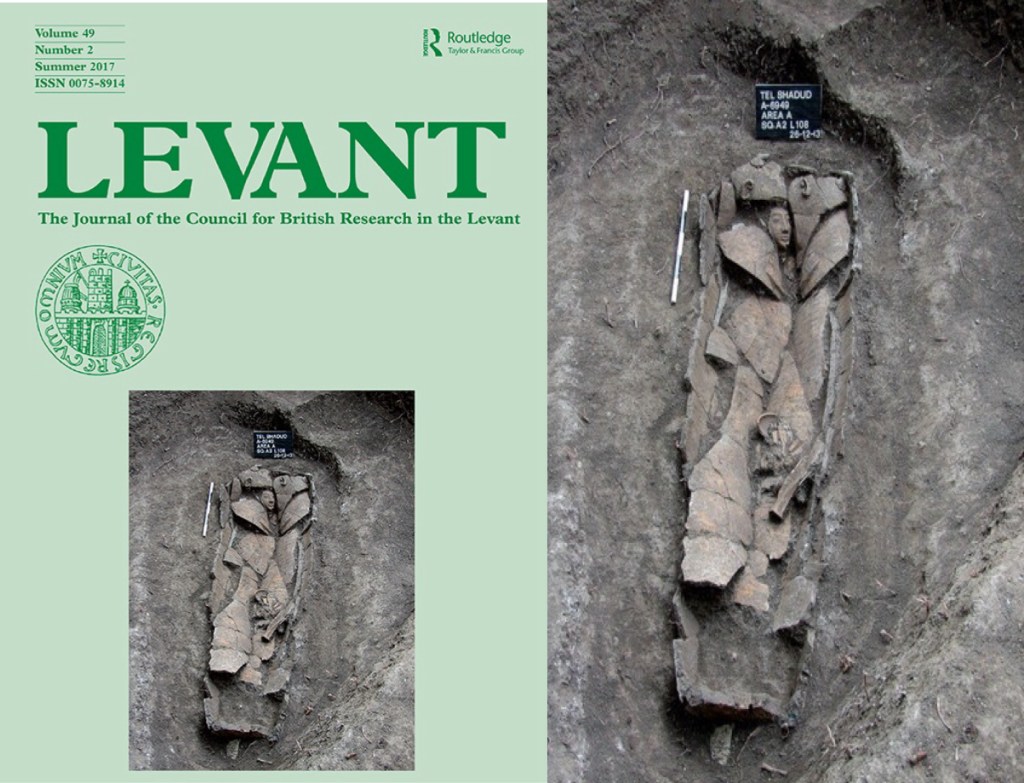
Perhaps the most iconic discovery from the site is a 13th-century BCE burial featuring a clay anthropoid coffin. At first glance, the burial appears to be that of an Egyptian official, mirroring the distinct imperial traditions of the New Kingdom. However, modern science has added a fascinating twist to this “big story.” DNA evidence reveals that the individual buried inside was actually a local resident, not an Egyptian migrant. This find offers a profound insight into the cultural complexity of the era, showing how local families adopted the prestige and customs of the ruling Egyptian empire while maintaining their roots in the valley.
Our Expedition
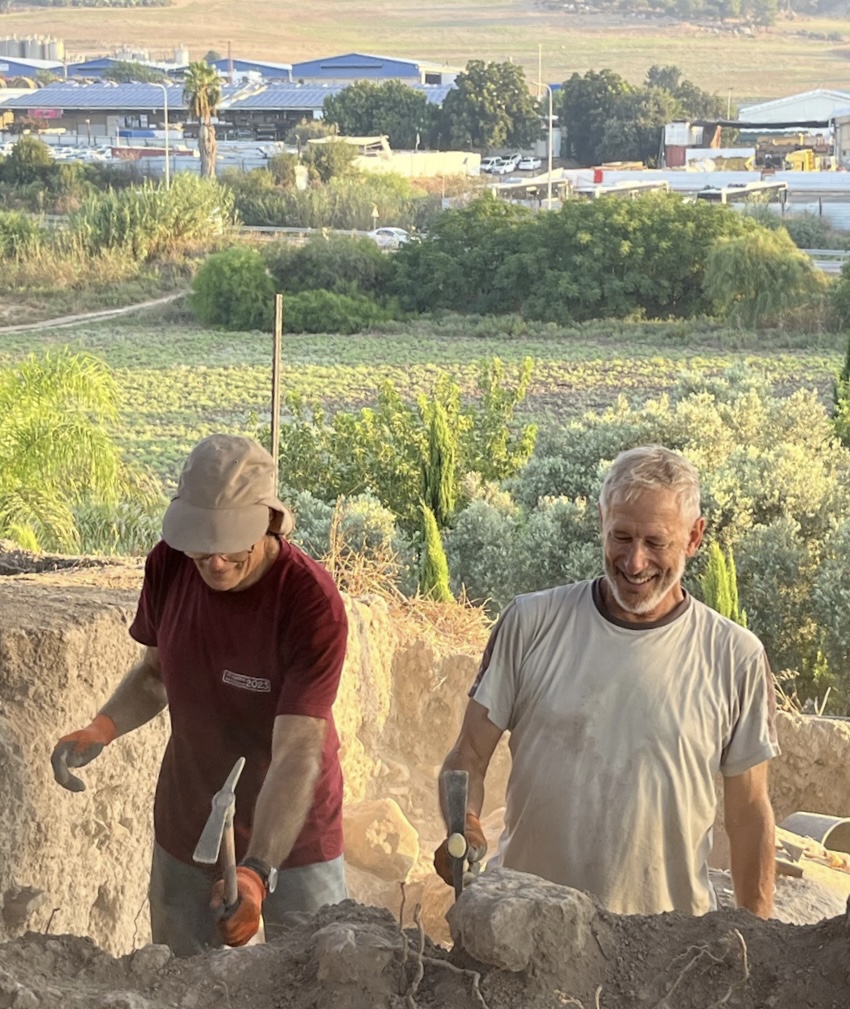
The current Tel Shaddud Regional Project was launched in 2022 to explore how these rural communities navigated the shifting political tides of the ancient Near East. What began as a surface survey has grown into a major international excavation. Our team, a partnership between Tel Aviv University, the Israel Antiquities Authority, the University of Jena, Ruhr-University Bochum, and UCLA, has already identified at least sevendistinct layers of occupation. These layers span from the time of the British Mandate in the 1940s, back through the Mamluk period, the Roman and Persian Empires, and down into the 9th century BCE world of the early Israelite monarchy. By looking beyond the royal cities to the resilient rural hinterland, we are uncovering the true social fabric of the Jezreel Valley.


 Tel Shaddud